
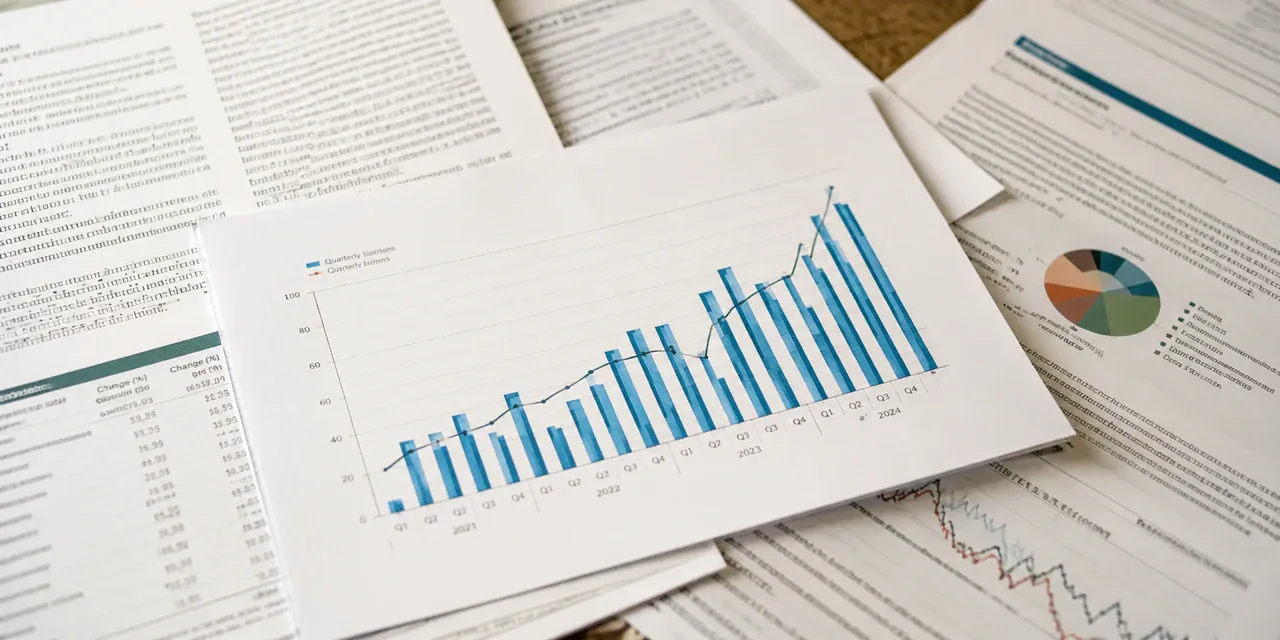

Read 10-K & 10-Q in a repeatable order
Compare business, risk, financial statements, footnotes, and changes across reporting periods.
Connect the business model, industry, management, SEC filings, financial statements, cash flow, valuation, catalysts, and thesis risk in one evidence-based company view.
Start with the business, then test the market view.
Research a public company through primary filings, business economics, financial statements, valuation, thesis design, and monitoring. The course is organized around evidence that can confirm or invalidate an investment conclusion.
A focused Company Research guide covering Source hierarchy, Research dashboard, The research process.
Understand the company before valuation: business model, industry structure, revenue engine, segments, filings, governance, and the four core financial statements.
Reconcile growth with cash collection, working capital, reinvestment, dilution, leverage, capital allocation, operating metrics, and consensus expectations.
A focused Company Research guide covering valuation methods, DCF analysis, DCF sensitivity & terminal value.
Write an investment thesis with explicit drivers, valuation assumptions, risks, contradictory evidence, monitoring indicators, and exit or review conditions.
Use AI to accelerate document search and comparison while keeping primary evidence, timestamps, and human verification in the research record.
All 7 guides in this category are listed here in the recommended learning order. You can still open any guide directly from the navigation or search.
Optional articles for filings, footnotes, financial statements, and evidence-based company research.
Filings, estimates, capital structure, management guidance, prices, competitive conditions, and accounting judgments can change after analysis is published. Review research and historical-information limitations →
Learn how an earnings release, Form 10-Q or 10-K, and related 8-K serve different purposes and how to reconcile them without getting trapped by headline metrics.
GOVERNANCEProxy statement basicsA practical guide to the proxy statement: board elections, executive compensation, shareholder proposals, related-party matters, ownership, and voting decisions.
FINANCIAL STATEMENTSFinancial statement footnotesRead accounting policies, obligations, estimates, and detailed statement context.