
Ownership & authority
Identify the account owner, registration, beneficiaries, trusted contact, power of attorney, and any trading authority. These roles are not interchangeable.
Ownership, cash handling, permissions, settlement, records, transfer rules, and account security all shape how an investment actually works.
Know what the account allows before the investment asks more of it.
Use this section for account structure, statements, settlement, authority, transfers, and records. Start with the task that could change an actual account decision.
Understand ownership, account type, permissions, protections, and provider responsibilities before funding it.
Understand the account →QUESTIONI need to understand cash, buying power, or settlementSeparate available cash, sweep vehicles, unsettled proceeds, and settlement timing before placing another trade.
Trace cash and settlement →QUESTIONI need to verify statements or tax recordsUse confirmations, statements, cost basis, and corporate-action records to reconstruct what actually happened.
Reconcile the records →QUESTIONI need to manage authority or protect the accountUnderstand trusted contacts, powers of attorney, transfer instructions, and the limits of each role.
Clarify authority and protection →All 5 guides in this category are listed here in the recommended learning order. You can still open any guide directly from the navigation or search.
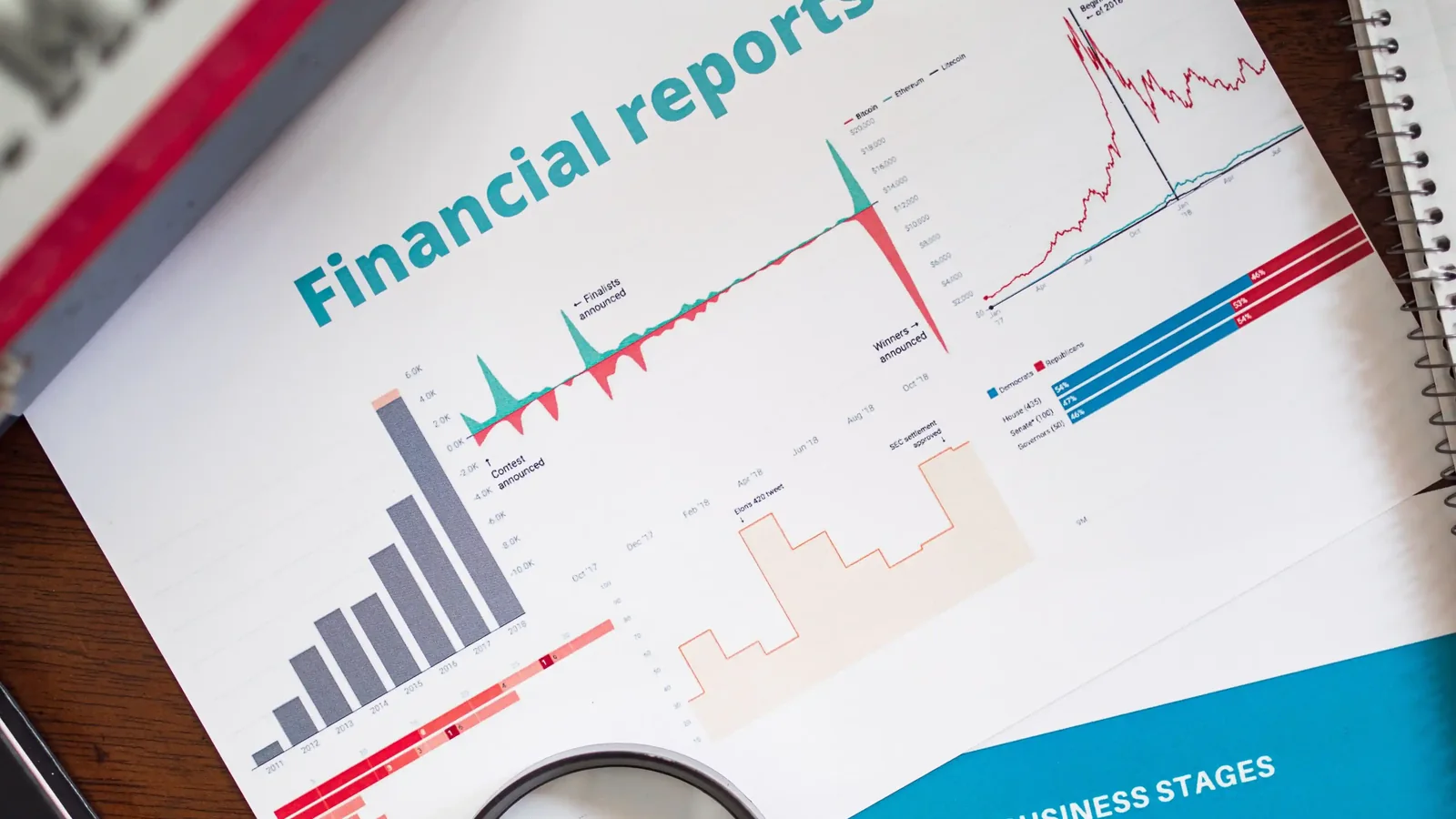
Registration, cash, permissions, confirmations, statements, tax lots, and transfer records show how the account actually operates and who can act on it.
Before optimizing a security, understand who owns the account, what permissions exist, where cash sits, when trades settle, what records are produced, and which protections apply. Those operational details determine what can be traded, how mistakes are corrected, and what evidence exists later.
Identify the account owner, registration, beneficiaries, trusted contact, power of attorney, and any trading authority. These roles are not interchangeable.
Separate cash balances, sweep vehicles, buying power, unsettled proceeds, and margin borrowing. A displayed balance does not always mean immediately available cash.
Know what was ordered, what executed, how it settled, and where the final position appears. Read confirmations and statements as an audit trail.
Preserve basis, historical statements, corporate-action notices, and old account records before transferring assets or closing an account.
A brokerage account is an operating system around the investments. Before analyzing a holding, know who owns the account, who can act, how cash moves, which permissions are enabled, and which records prove what happened.
| Layer | Evidence to keep current | Failure to prevent |
|---|---|---|
| Ownership | Registration, beneficiaries where applicable, contact details | Transfer delays or outdated instructions after a life event |
| Authority | Trading authority, POA, trusted contact, account permissions | Assuming one role grants powers that belong to another |
| Cash & credit | Sweep/core position, settlement status, margin terms | Confusing account value with immediately withdrawable cash |
| Execution | Confirmations, order history, restrictions | Misreading order type, price, or financing consequences |
| Records | Statements, tax lots, transfers, corporate actions | Losing the evidence needed to reconcile performance or taxes |
Read the account as an operating system. The security is only one layer; funding method, borrowing permissions, settlement, records, ownership, and protection rules determine how the position can actually be used.
| Layer | What to identify | Why it matters |
|---|---|---|
| Registration | Owner, account type, beneficiaries, authorized roles | Determines control, transfer path, and whose records must be kept current. |
| Funding | Cash, sweep vehicle, unsettled proceeds, margin borrowing | A displayed balance is not always the same as cash that can be withdrawn or used without financing. |
| Execution and settlement | Order, fill, confirmation, settlement date | The trade date begins the process; settlement completes the exchange of cash and securities. |
| Records | Statements, confirmations, fees, tax lots, corporate actions | These records form the audit trail when a position, cost basis, fee, or transfer is questioned. |
| Safeguards | Login controls, trusted contact, transfer procedures, provider status | Operational safeguards reduce the chance that an account problem becomes an irreversible financial loss. |
The same investment can behave differently inside different account structures because ownership, cash handling, borrowing permissions, tax records, transfer rules, and investor protections sit around the security itself.
Read the account as an operating system: who owns it, where cash sits, what trading is permitted, what records the broker keeps, and what happens when money or ownership moves.